What is Photodynamic Therapy?
Photodynamic Therapy is a type of cutting edge laser light treatment being used in a variety of skin disorders. It has been used to treat certain types of skin cancers, including squamous cell carcinoma and basal cell carcinoma. It has also worked effectively to treat acne, psoriasis, and herpes infections, as well as in facial rejuvenation procedures.
How does Photodynamic Therapy work?
Photodynamic Therapy involves an injection or application of a photosensitizing drug in order to elicit a chemical reaction when different bands of light are directed at the treatment site. The drugs cause a chemical reaction with oxygen in the treated area to kill the targeted cells. Some of the most common photosynthesizing agents are Photofrin, Temoporfin, Verteporfin, Methoxsalen, Psoralen, and Talaporfin. Doctors will choose the type of drug, the desired wavelength of light, and the treatment time according to the type of skin damage being treated.
What areas of the body does Photodynamic Therapy treat?
This treatment can be used on the outer skin of the body with pinpoint accuracy. Special booths are available for whole body exposure to the light, and lasers with a one inch circumference are used for smaller areas.
What are the advantages of Photodynamic Therapy over other similar treatments?
Photodynamic Therapy is a noninvasive treatment for skin disorders which requires no hospitalization or lost work time. Doctors can customize the treatment plan for each individual when using Photodynamic Therapy. It also costs less than many other methods of treating these same skin disorders, and the skin cells surrounding the damaged area remain unharmed during Photodynamic Therapy.
Who is a candidate for Photodynamic Therapy?
Healthy adult men and women with skin disorders that react to light therapy are excellent candidates for Photodynamic Therapy. Doctors rarely use this process on children. People with light sensitivity are not good candidates for this procedure, and this treatment should not be considered for those who are pregnant or nursing. People with liver disease or damage should also be carefully screened.
How is Photodynamic Therapy performed?
The doctor will either give a photosynthesizing drug orally, topically, or by injection several hours before exposing the patient to laser diode light. This gives the cells time to absorb the chemical which will begin working once excited by the laser. The light exposure may last for a few seconds or several minutes, depending on the type of treatment.
What is the recovery like?
The skin will react as if to a sunburn, blistering before beginning to dry up and peel. Most patients experience very little pain during recovery, but this depends on individual pain thresholds. Before a week is over, the treated area will crust over and begin to heal, flaking off as it dries. Within a few weeks, complete healing will take place. Even minute sun exposure can cause a severe reaction in people undergoing Photodynamic Therapy. Patients should stay out of the sun completely for a couple of days. Patients usually return to work within three days.
What will the results be like?
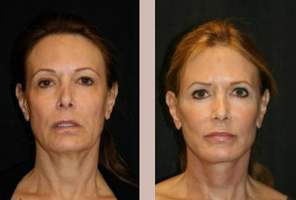
After several treatments spaced about twice monthly, skin disorders will begin to significantly improve. Pores will be minimized, discolorations will be evened out, and the skin tone will be firmer. Light scars from acne and fine lines due to aging will be less noticeable than before. The face will have a brighter, polished look.
What are the risks?
There is always a risk of reaction to the photosynthesizing agent in a few patients. Swelling and burns are very rare, but possible side effects of Photodynamic Therapy. Also, some patients develop light sensitivity of the eyes and skin.
Is Photodynamic Therapy approved for use in the U.S.?
Photodynamic Therapy has been proven ninety percent effective and is approved by the FDA for use in the United States.
Is Photodynamic Therapy covered by insurance companies?
Although Photodynamic Therapy is not covered by insurance companies for aesthetic procedures, it is covered when used for medical conditions.
Disclaimer: This information is intended only as an introduction to this procedure. This information should not be used to determine whether you will have the procedure performed nor does it guarantee results of your elective surgery. Further details regarding surgical standards and procedures should be discussed with your physician.
By SkinCareGuide.com Staff
Updated: November 24, 2009